Can You Negotiate Salary After Accepting?
Yes, you can sometimes negotiate salary after accepting, but the window is narrow and the risk is real. Here is when to ask, what to say, and how to protect the relationship.
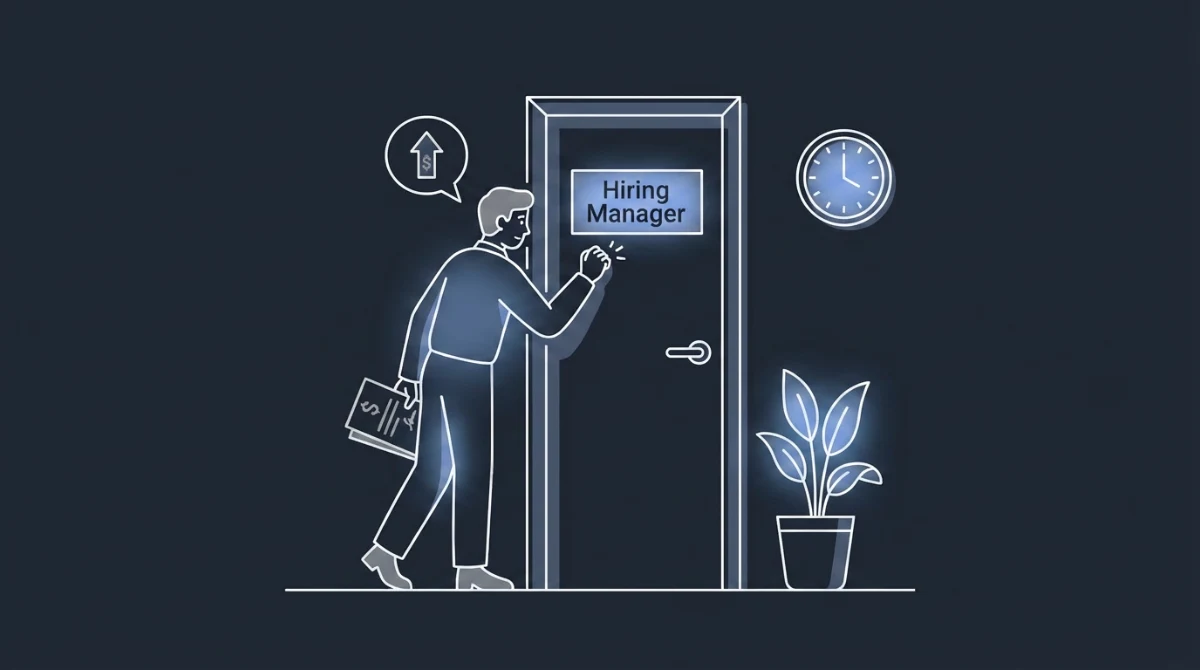
Can You Negotiate Salary After Accepting?
If you are asking, can you negotiate salary after accepting, the short answer is yes, sometimes. But once you have said yes, your leverage drops and the margin for error shrinks. You need a real reason and a careful approach.
If you want calm, practical career advice like this in your inbox, sign up for the Calm Companies newsletter. It is built for people who want better work decisions with less noise.
Can you negotiate salary after accepting?
You can still raise the compensation question after accepting, especially if your acceptance was verbal, the written offer changed, or new information surfaced before your start date. Expect that the employer may say no and may question your commitment.
Verbal offer vs written offer
A verbal yes gives you more room than a signed offer letter or contract. If the employer is still finalizing terms, treat it like a standard negotiation and follow a clear process for how to negotiate a job offer.
When salary negotiation after accepting is reasonable
The strongest cases rest on facts, not feelings. If the economics of the job changed or the original terms were unclear, it is reasonable to raise the issue once.
- Your acceptance was verbal, but the written offer came in lower than discussed.
- The role expanded after acceptance, or the title changed to reflect more responsibility.
- You found reliable market data showing the offer is below the normal range for similar work, and you can explain that clearly.
- There was a misunderstanding about bonus, commission, equity, or benefits that materially changes total compensation.
- The employer changed the location, travel expectations, schedule, or start date in a way that shifts the value of the offer.
When renegotiating a job offer can hurt you
This move backfires when nothing material changed and you are asking because you think you could have done better. From the employer's side, that looks like indecision, poor judgment, or a warning sign about future negotiations.
- You already signed a detailed contract and completed most onboarding steps.
- Your start date is only a few days away.
- You plan to cite another offer as a reason, but you do not actually have one.
- The company clearly told you the offer was final.
- You are not prepared to accept a firm no or walk away if compensation is a true dealbreaker.
If several of those apply, it is usually better to stop negotiating, start strong, and reopen compensation at your first review. A shaky last-minute ask can cost more than it gains.
How to ask for a higher salary after accepting
If you decide to ask, keep the conversation short, specific, and calm. Your goal is to solve a clear mismatch, not restart the entire hiring process.
- Review exactly what you accepted. A verbal yes, a signed offer letter, and a formal contract do not give you the same room to reopen terms.
- Build one clear reason for the ask. Focus on changed scope, misaligned written terms, or strong market data, not a pile of weaker arguments.
- Decide on a precise request. Ask for a specific base salary or a narrow range, not just "more money."
- Start with a conversation if possible. A short phone call is usually better than surprising the recruiter with a long email.
- State your enthusiasm for the role. Make it clear you want to close the gap, not reopen every part of the offer.
- Ask once, then listen. If they say no, make a decision instead of pushing through multiple rounds.
If the recruiter asks you to put the request in writing, use these salary negotiation email templates to keep the message concise and professional.
Example script for the conversation
Validate employers before final rounds
Check stability and workload indicators before you accept the offer.
Thanks again for the offer. I am excited about the role and ready to move forward. Before everything is final, I want to revisit compensation because the written terms and the scope we discussed leave a gap for me. Based on the responsibilities, I would be comfortable moving ahead at $X. Is there any flexibility there?
What to do if they say no
A no does not automatically mean the relationship is damaged. It means you need to make a clean decision based on the total package, the role itself, and your alternatives.
- Accept the current offer if the role, manager, and growth path still make sense.
- Ask about non-salary terms: a signing bonus, earlier review timing, remote flexibility, or professional development support.
- Request clarity on the milestones that would support a raise after your first few months.
- Walk away only if the compensation gap makes the role a poor fit and you are prepared for that outcome.
How to avoid this situation next time
The best way to handle salary negotiation after accepting is to avoid needing it. Before you say yes, confirm base pay, bonus, equity, review timing, title, scope, schedule, and any conditions that could change the offer.
Earlier in the process, use smart interview questions to ask employers so you can uncover stability, expectations, and compensation issues before you commit.
If you want more straightforward advice on salary, interviews, and lower-stress job searches, sign up for the Calm Companies newsletter. It will help you make better decisions before offers get complicated.
Frequently asked questions
Can you negotiate salary after signing an offer letter?
You can ask, but your position is much weaker after signing. It is most reasonable when the written terms differ from what was discussed, or when the role changed before your start date.
Is it unprofessional to negotiate salary after accepting?
Not always. It becomes a problem when nothing changed and the request looks impulsive. A narrow, well-supported ask is very different from reopening the whole deal.
Can an employer rescind an offer if you ask for more money?
Yes, that can happen. That is why you should only revisit salary after accepting if you have a strong reason and you are ready for a firm no.
What is a good reason to renegotiate salary after accepting?
Good reasons involve new facts: a change in job scope, a mismatch between verbal and written terms, or a compensation misunderstanding that materially affects the offer.
Should you negotiate salary by phone or email after accepting?
A short phone call is usually better because it is easier to show enthusiasm and keep the tone steady. If the employer wants the request in writing, follow up with a brief email restating the specific ask.
Get calm-company opportunities every week
Use the directory and subscribe so you can move fast when better roles open.